





Beat the Bloat: How Probiotics and Collagen Can Help Your Gut Feel Great

Bloating is a sign your digestive system might be out of sync. Whether it’s the result of overindulgence, constipation, or an imbalanced gut microbiome, understanding the root causes and remedies can help you reclaim comfort and confidence.
What Causes Bloating?
Bloating typically occurs when excess gas builds up in the gastrointestinal tract. Common culprits include:
- Gut microbiome imbalance: When harmful bacteria outnumber beneficial ones, they ferment food in ways that produce excessive gas.
- Constipation: Infrequent bowel movements allow undigested food to linger, leading to more fermentation and gas.
- Overeating: Overloading your digestive enzymes can result in partially digested food reaching the intestines, where bacteria feast and produce gas.
Natural Remedies for Relief
To ease bloating, consider these strategies:
- Eat slowly and mindfully to reduce swallowed air.
- Stay hydrated to support digestion.
- Exercise regularly to stimulate bowel movements.
- Avoid trigger foods like beans, cruciferous vegetables, and carbonated drinks.
- Try a low-FODMAP diet if you suspect food sensitivities
Probiotics: Tiny Helpers with Big Impact
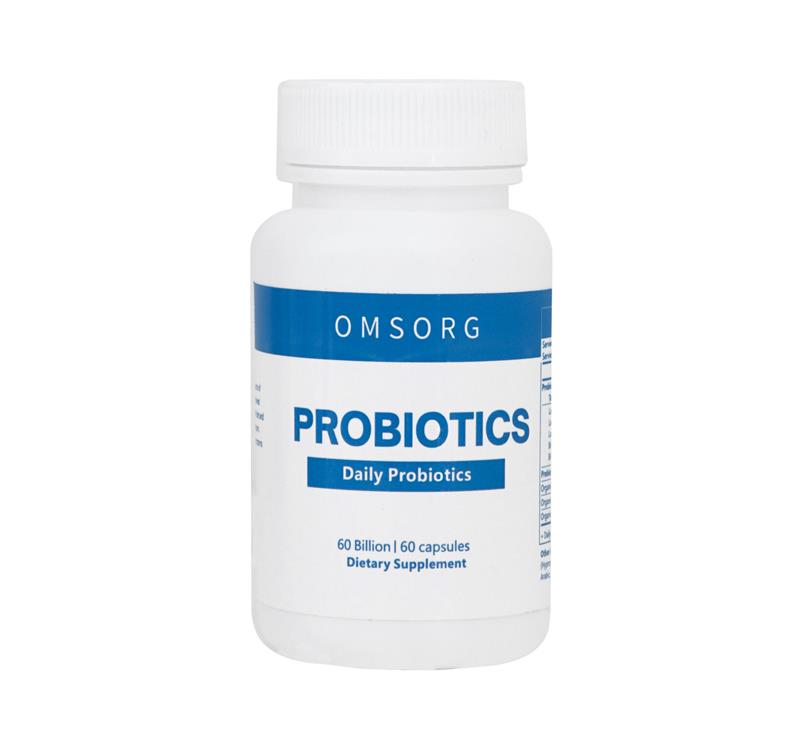
Probiotics are live beneficial bacteria that help restore balance in your gut. They can:
- Reduce gas-producing bacteria by crowding them out.
- Improve digestion and nutrient absorption.
- Ease constipation and food sensitivities, both common bloating triggers.
Strains like Bifidobacteria and Lactobacilli are especially effective for bloating and IBS symptoms. You can find probiotics in fermented foods like yogurt, kefir, kimchi, and sauerkraut, or take them as supplements.
Collagen: The Gut’s Secret Ally
Collagen, a structural protein, supports the lining of your digestive tract. It may:
- Strengthen gut integrity, reducing inflammation and permeability.
- Support smoother digestion, which can help prevent bloating.
- Promote regularity, especially when paired with a fiber-rich diet.
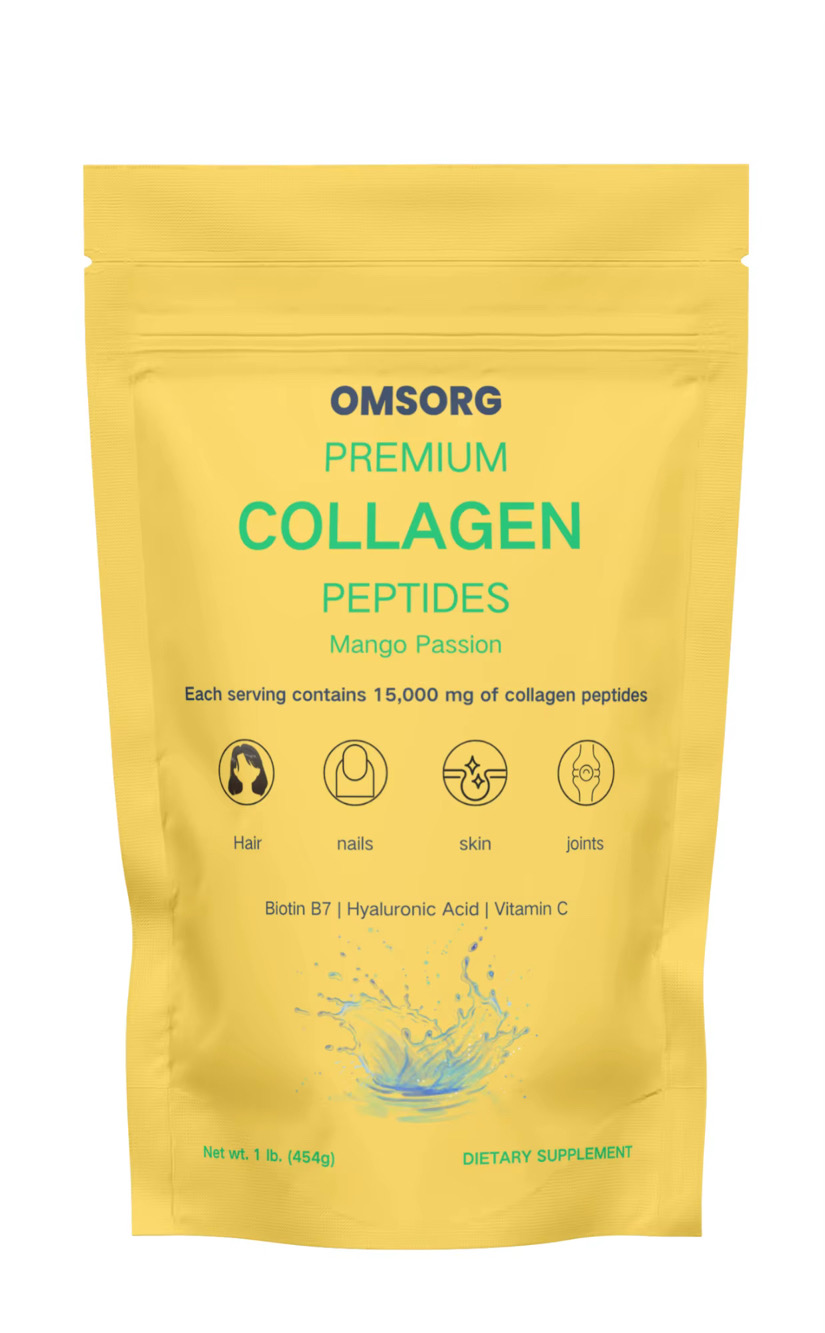
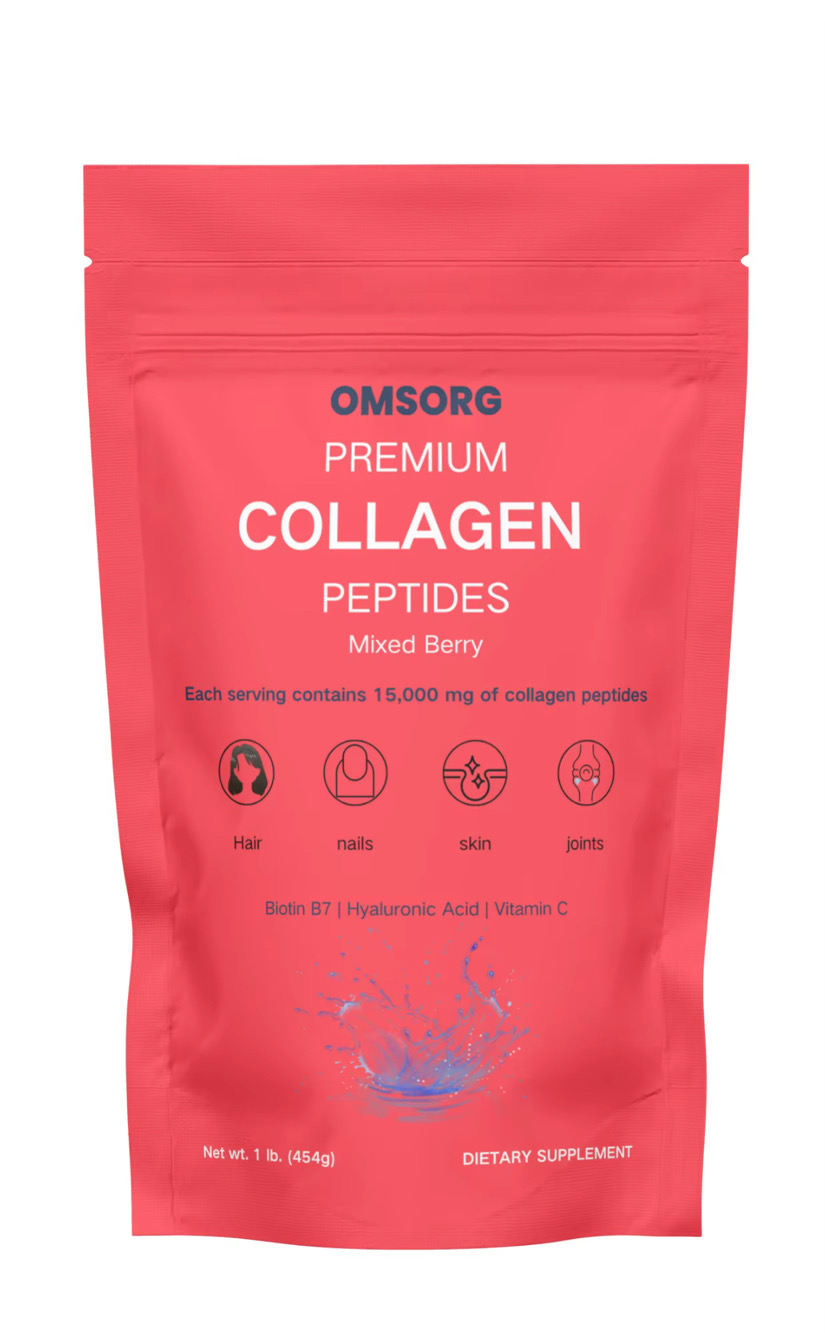
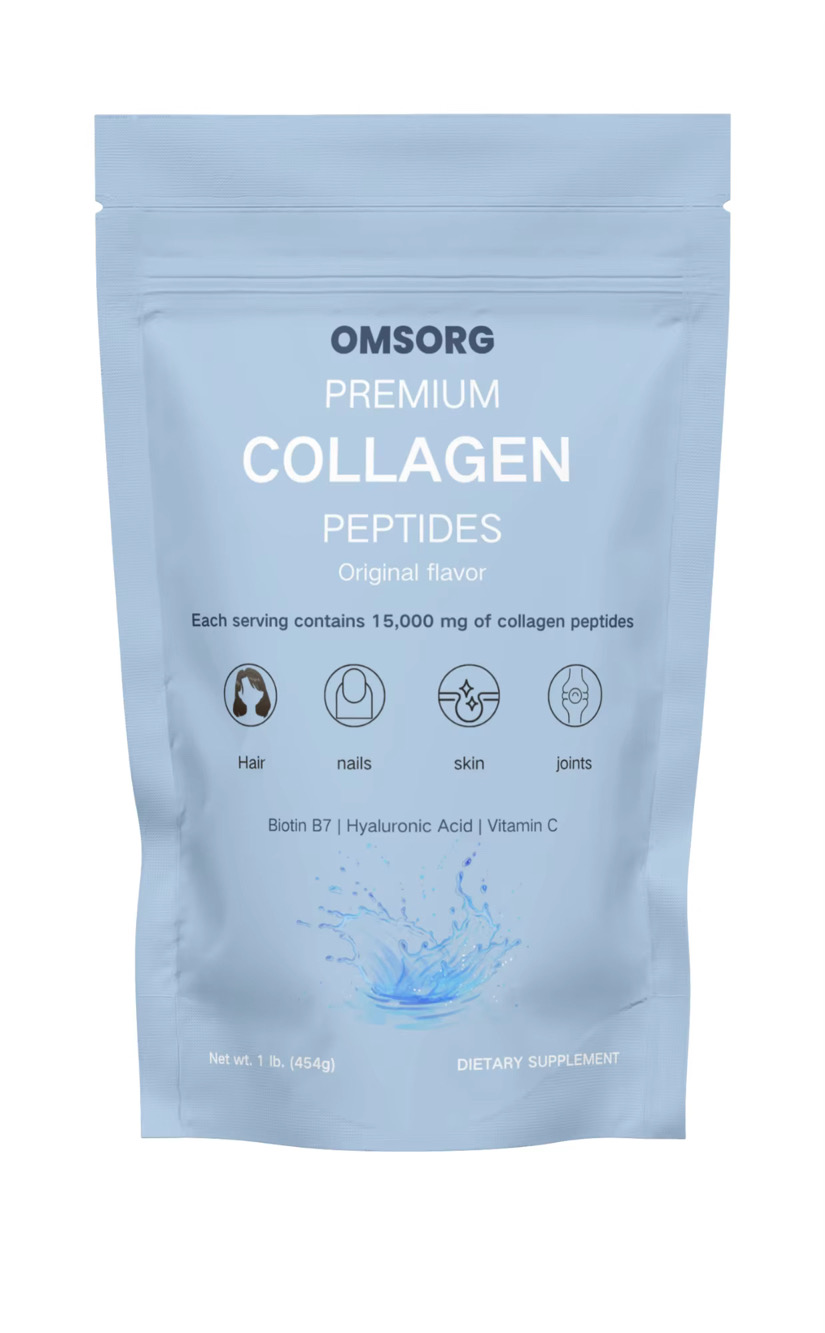
Collagen supplements, especially hydrolyzed collagen peptides, are easy to absorb and can be added to smoothies, coffee, or water.
Bloating is common, but it doesn’t have to be chronic. By addressing the underlying causes and incorporating probiotics and collagen into your routine, you can support a healthier gut and feel lighter, more energized, and ready to take on the day.
References
EatingWell – Can Probiotics Help with Bloating?
Health.com – Do Probiotics Help with Bloating?
Ouwehand et al., 2002 – “Probiotic and other functional microbes: from markets to mechanisms” Discusses mechanisms by which probiotics modulate gut flora and reduce symptoms like bloating.
Staudacher et al., 2017 – “Mechanisms and efficacy of dietary FODMAP restriction in IBS” Explores how probiotics and dietary changes interact to reduce bloating in sensitive individuals.