






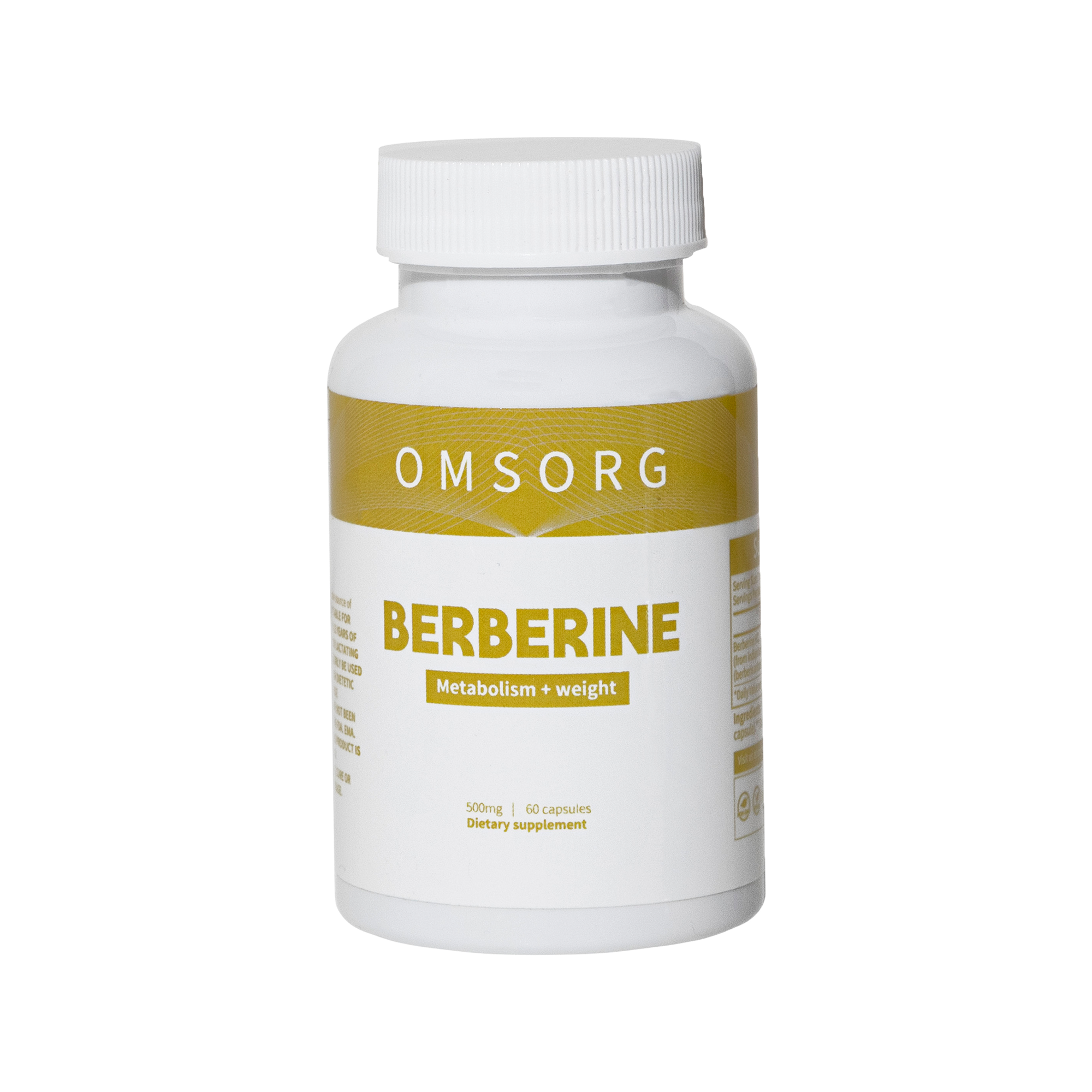


Berberine: Nature’s Golden Remedy

Berberine, a vibrant yellow compound found in several plants like goldenseal, barberry, and tree turmeric, has surged in popularity as a natural supplement with wide-ranging health benefits. Used for centuries in traditional Chinese and Ayurvedic medicine, modern science is now catching up to its therapeutic potential—especially for metabolic and cardiovascular health.
What Is Berberine?
Berberine is an isoquinoline alkaloid extracted from plants such as Coptis chinensis and Berberis species. It’s known for its antimicrobial, anti-inflammatory, and metabolic regulatory properties. Once ingested, berberine activates an enzyme called AMPK (adenosine monophosphate-activated protein kinase), which plays a key role in energy metabolism.
Proven Health Benefits
Here are some of the most compelling, science-backed benefits of berberine:
- Supports Blood Sugar Control: Berberine has shown promise in lowering blood glucose levels, making it a potential alternative or complement to metformin in managing type 2 diabetes.
- Improves Cholesterol and Heart Health: It may reduce LDL cholesterol and triglycerides while increasing HDL, contributing to better cardiovascular outcomes.
- Aids Weight Loss: A 2020 meta-analysis found that berberine significantly reduced body weight, BMI, and waist circumference in overweight individuals.
- Enhances Gut Health: Its antimicrobial properties help balance gut flora and may reduce inflammation in the digestive tract.
- Antibacterial and Antiviral Effects: Berberine has demonstrated activity against various pathogens, including bacteria and viruses, making it a useful natural antimicrobial agent.
Side Effects and Precautions
While generally safe, berberine can cause mild side effects such as:
- Gastrointestinal discomfort (e.g., constipation, diarrhea)
- Headaches
- Low blood pressure in sensitive individuals
It’s not recommended during pregnancy or breastfeeding, and may interact with medications like blood thinners or drugs for diabetes and hypertension. Always consult a healthcare provider before starting supplementation.
What Does the Research Say?
A 2025 systematic review published in BMC Complementary Medicine and Therapies synthesized findings from multiple studies and concluded that berberine shows promise in treating chronic conditions like diabetes, obesity, and cardiovascular disease—but emphasized the need for more rigorous trials