





The Glow Catalyst: How Vitamin C Supercharges Collagen Absorption
Vitamin C plays a critical role in collagen synthesis by activating key enzymes that stabilize collagen’s structure, making it more effective for skin, joints, and overall tissue health.

Collagen is the most abundant protein in the human body, forming the structural framework for skin, bones, cartilage, and connective tissues. But for collagen to be properly synthesized and absorbed, it needs a powerful ally — Vitamin C. This essential nutrient doesn’t just support immunity; it’s the biochemical spark that ignites collagen production and ensures its stability.
The Science Behind Collagen Synthesis
Collagen is made up of amino acids, primarily glycine, proline, and hydroxyproline. To form strong, stable collagen fibers, the body must convert proline and lysine into hydroxyproline and hydroxylysine — a process that requires Vitamin C as a cofactor.
Without enough Vitamin C, the enzymes prolyl hydroxylase and lysyl hydroxylase cannot function properly. This leads to unstable collagen molecules, resulting in weaker connective tissues, poor wound healing, and visible signs of aging.
Why Vitamin C Is a Collagen Multiplier
Stabilizes collagen’s triple helix structure Vitamin C helps cross-link collagen fibers, giving them strength and resilience.
Boosts fibroblast activity Fibroblasts are cells that produce collagen. In vitro studies show that Vitamin C can increase collagen production in aging cells by up to sixfold.
Accelerates tissue repair Vitamin C enhances wound healing and bone regeneration by increasing collagen synthesis and reducing oxidative stress.
Improves skin elasticity and hydration Clinical studies confirm that Vitamin C supplementation improves skin texture and reduces wrinkles by supporting collagen integrity.
Best Practices for Maximum Absorption
To get the most from your collagen supplement:
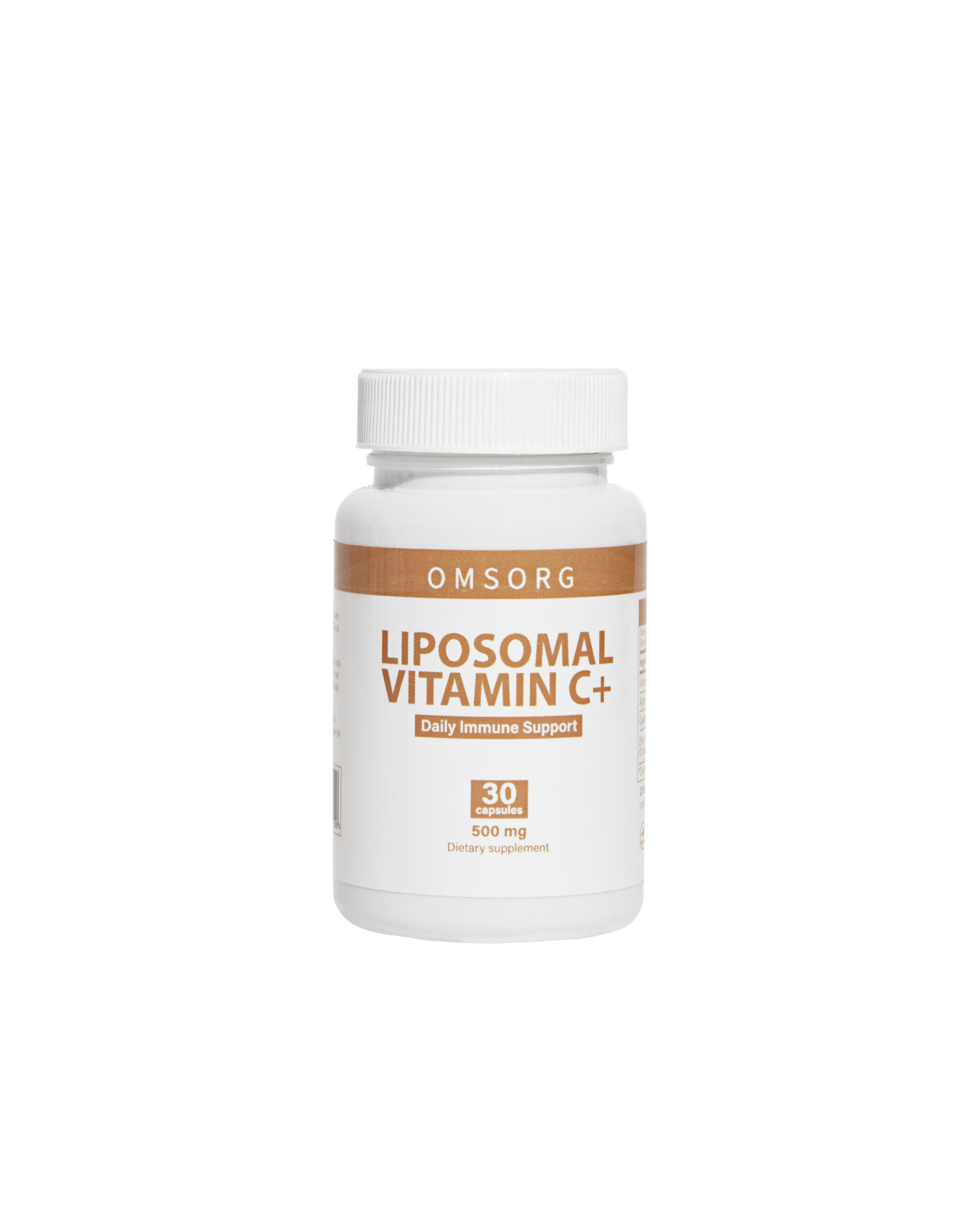
- Pair it with Vitamin C — either through diet (citrus fruits, bell peppers, broccoli) or supplements.
- Choose hydrolyzed collagen peptides — they’re broken down for better absorption.
- Take them together — combining collagen and Vitamin C in the same dose ensures optimal synergy.
Real-World Evidence
- A study published in Dermato-Endocrinology found that Vitamin C deficiency impairs collagen cross-linking, leading to fragile tissues and poor healing.
- Research from The Co Being showed that elderly fibroblast cells produced more collagen than newborn cells when Vitamin C was added — a dramatic reversal of age-related decline.
- Historical cases of scurvy, a disease caused by Vitamin C deficiency, highlight its role in collagen health — symptoms include bleeding gums, joint pain, and skin fragility.
Conclusion: Vitamin C isn’t just a supporting player — it’s the collagen catalyst. Whether you’re chasing youthful skin, stronger joints, or faster recovery, combining collagen with Vitamin C is the key to unlocking its full potential.