Free Express delivery on orders over $100 Australia & New Zealand wide
Free express shipping over $50
Free Standard delivery over $100
Free Standard delivery over $50
Free Standard delivery over $100

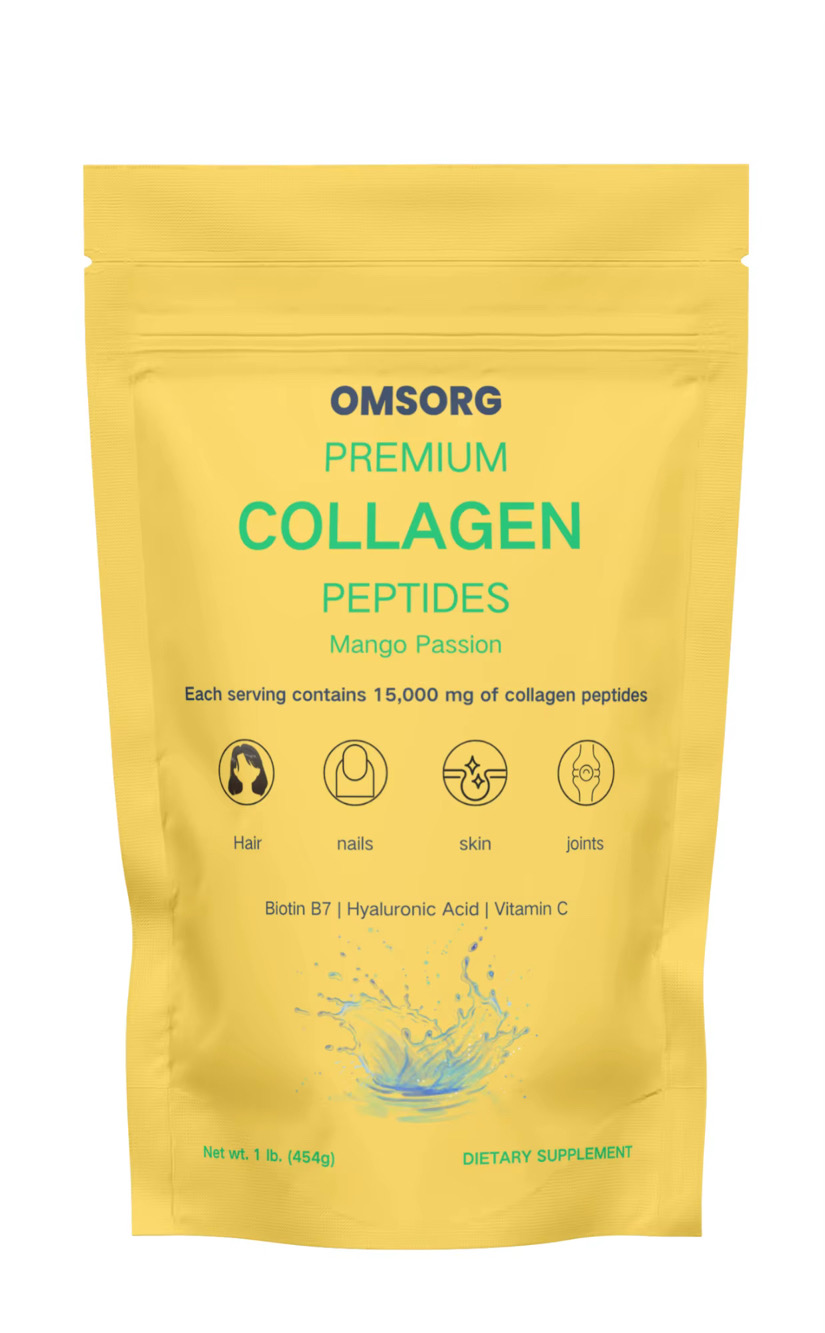
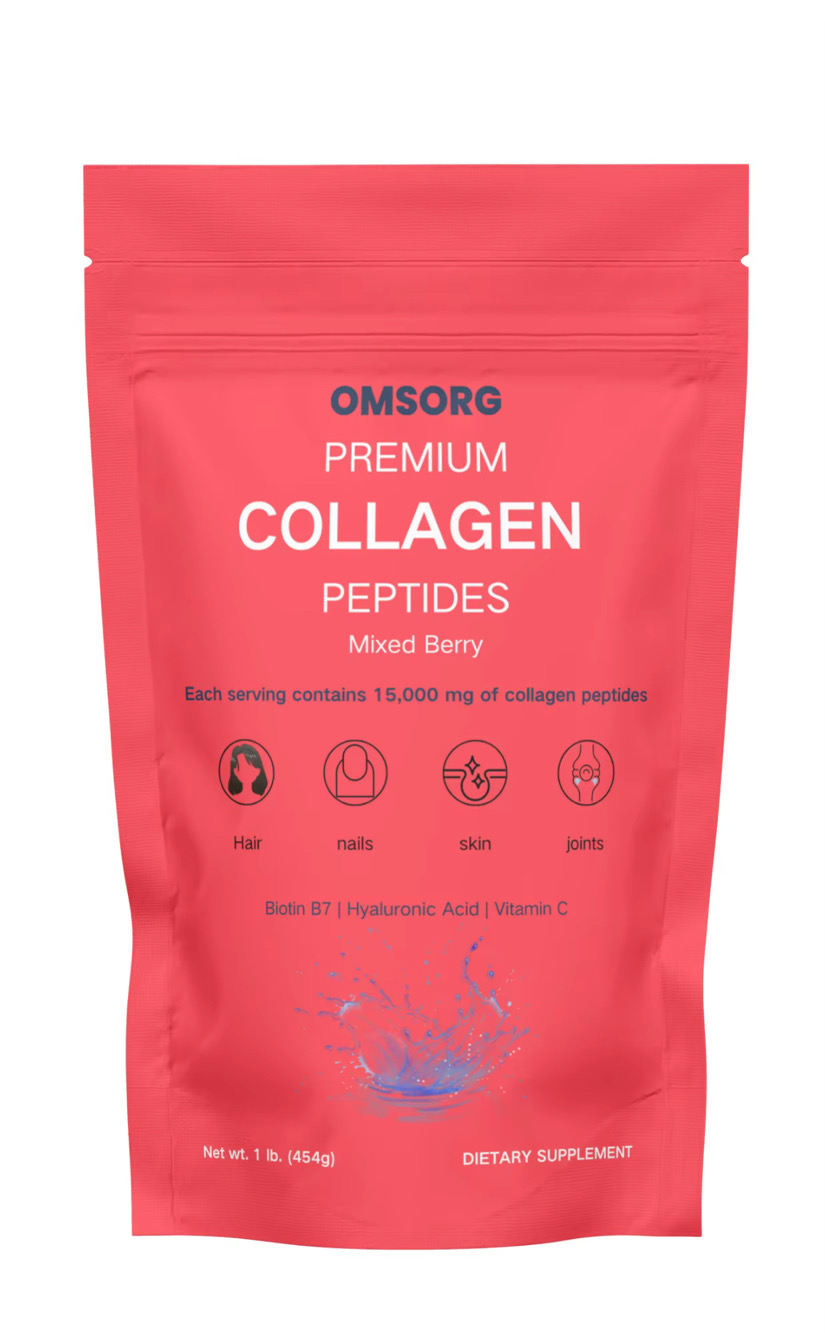
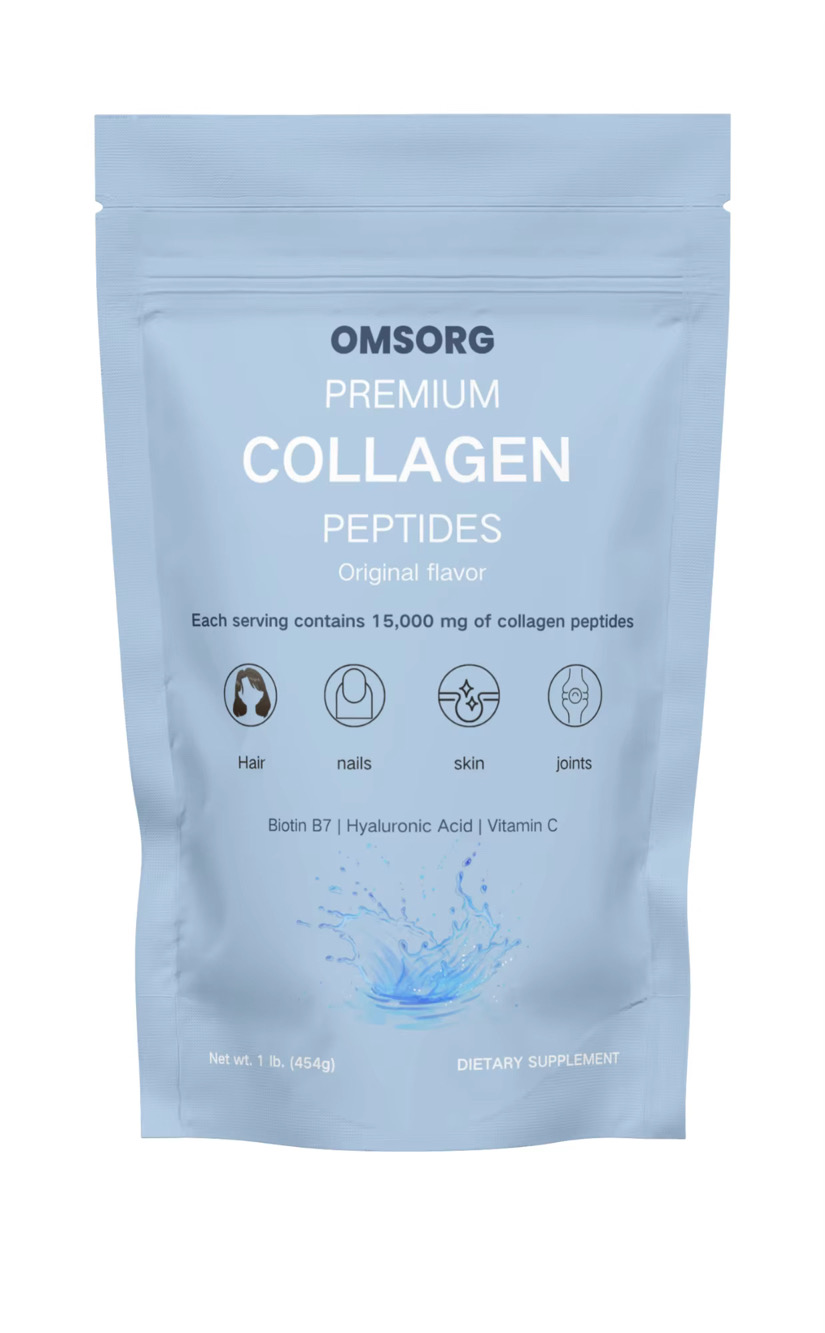


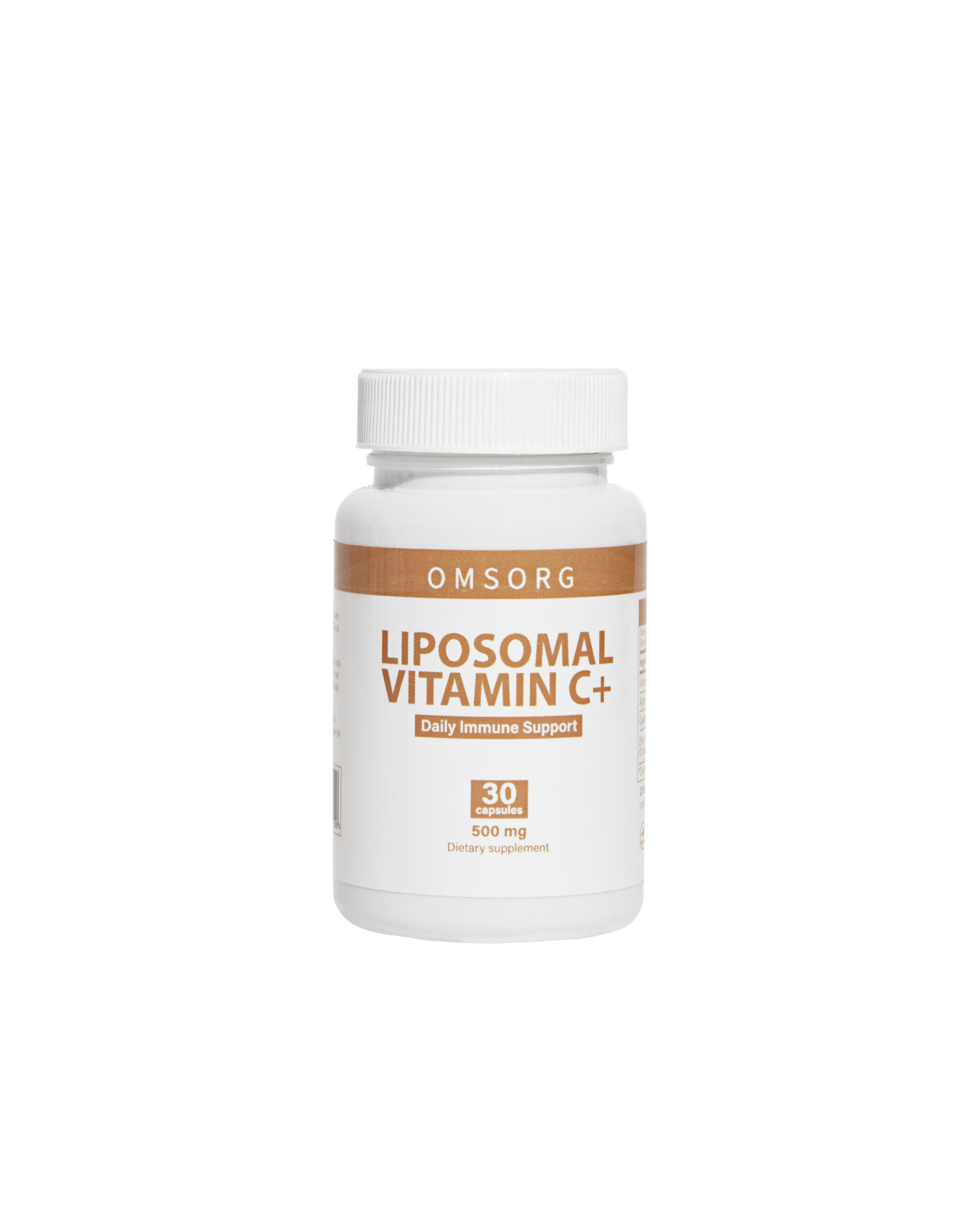
Vitamin C, also known as ascorbic acid, is a water-soluble vitamin essential for maintaining optimal health. Renowned for its antioxidant properties, Vitamin C plays a key role in supporting various physiological functions, making it indispensable in a daily health regimen.
Vitamin C is a potent antioxidant that neutralizes free radicals, reducing oxidative stress and protecting cells against damage. This mechanism is vital for preventing chronic diseases and slowing the aging process.
Vitamin C is crucial for immune defense. It enhances the production and function of white blood cells, fortifying the body’s ability to fight infections, viruses, and harmful bacteria
One of Vitamin C’s most critical roles is supporting collagen production. Collagen is an essential protein for skin elasticity, wound healing, and maintaining the integrity of cartilage, bones, and blood vessels.
Vitamin C improves the absorption of non-heme iron (iron found in plant-based foods), which is particularly important for individuals following vegetarian or vegan diets or those prone to iron-deficiency anemia.
Ascorbic acid plays a role in neurotransmitter synthesis, including serotonin. Its antioxidant properties also protect brain cells, supporting cognitive health and potentially reducing the risk of neurodegenerative diseases.
Incorporating Vitamin C into your daily regimen offers numerous benefits: cells, crucial for immune defense.
Vitamin C can be obtained through dietary sources such as citrus fruits (oranges, lemons, grapefruits), strawberries, kiwi, bell peppers, spinach, and broccoli. For individuals unable to meet their needs through diet alone, supplementation is an effective alternative.
Vitamin C is indispensable for overall health, offering protective, restorative, and preventive benefits. Incorporating it into your daily routine, through diet or supplementation, ensures that your body operates at its peak, from immune defense to skin health.