OMSORG

Free Express delivery on orders over $100 Australia & New Zealand wide

Free express shipping over $50 

Free Standard delivery over $100

Free Standard delivery over $50

Free Standard delivery over $100

[woocs sd=1]

The Science Behind Berberine and Its Benefits

Exploring the Potential of Nature's Remedy

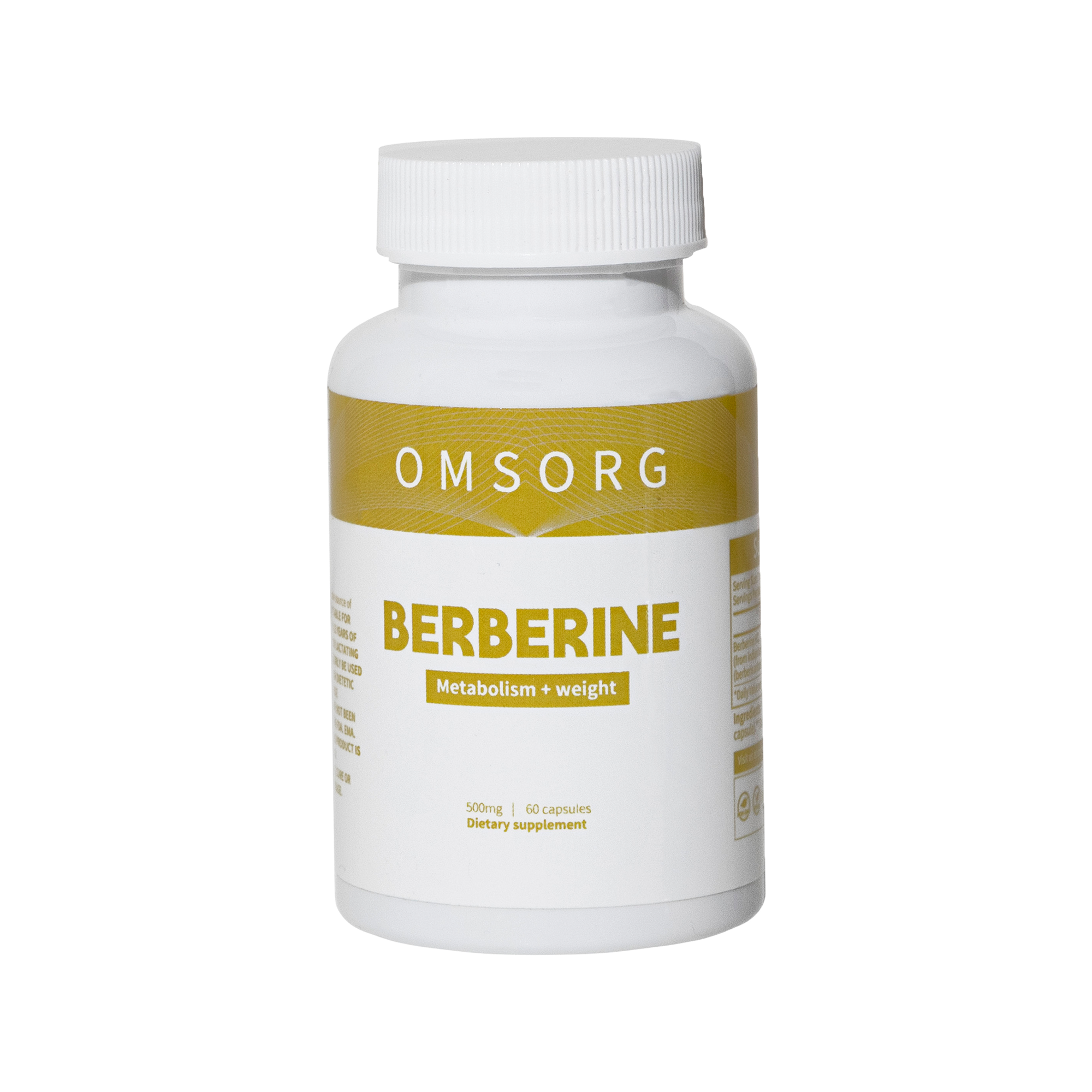
Berberine, a naturally occurring alkaloid derived from various plants such as Berberis, has been revered in traditional medicine for centuries. Its bright yellow pigment is not only visually distinctive but also indicative of its robust chemical properties. Over recent years, modern science has delved deeper into berberine’s mechanisms, unveiling compelling evidence of its potential health benefits.

What Is Berberine?

Berberine is an active compound found in several plants, including goldenseal, barberry, and Oregon grape. It has been a staple in traditional Chinese and Ayurvedic medicine, primarily used to treat infections, gastrointestinal issues, and inflammation. Berberine is classified as an isoquinoline alkaloid, and its chemical structure enables it to interact with various biological pathways in the human body.

How Does Berberine Work?

Berberine operates on a molecular level by activating an enzyme known as AMP-activated protein kinase (AMPK). Often referred to as the “metabolic master switch,” AMPK plays a crucial role in regulating cellular energy balance. Activation of AMPK by berberine leads to improved glucose uptake, lipid metabolism, and overall cellular energy efficiency. Additionally, berberine influences the gut microbiota, promoting a balance that enhances digestion and nutrient absorption.

Key Health Benefits of Berberine

Berberine’s therapeutic effects are diverse, addressing several common health concerns. Below are the most well-documented benefits:

1. Regulation of Blood Sugar Levels

Berberine has gained significant attention for its ability to lower blood sugar levels, making it a promising natural remedy for managing type 2 diabetes. Studies have demonstrated that berberine enhances insulin sensitivity and reduces glucose production in the liver (Zhang et al., 2008; Yin et al., 2012). In fact, some research suggests that berberine’s efficacy in controlling blood sugar is comparable to that of standard pharmaceutical treatments like metformin.

2. Support for Heart Health

Cardiovascular health is another area where berberine shines. It has been shown to reduce LDL (“bad”) cholesterol and triglycerides while increasing HDL (“good”) cholesterol (Kong et al., 2004). These effects help reduce the risk of atherosclerosis and other cardiovascular diseases. Berberine also supports healthy blood pressure levels by relaxing arterial walls and improving blood flow (Ni et al., 2015).

3. Weight Management

Berberine may aid in weight management by influencing metabolic processes. Activation of AMPK leads to improved fat metabolism and reduced fat storage. Furthermore, berberine is believed to suppress appetite and enhance energy expenditure, making it a popular supplement for individuals seeking natural weight loss solutions (Hu et al., 2012).

4. Anti-inflammatory and Antioxidant Properties

Chronic inflammation and oxidative stress are underlying factors in many diseases, including cancer, cardiovascular conditions, and neurodegenerative disorders. Berberine exhibits potent anti-inflammatory and antioxidant properties, which contribute to its protective effects (Xu et al., 2017). It mitigates cellular damage caused by free radicals and inhibits inflammatory pathways, promoting overall health and longevity.

5. Gut Health and Microbiome Balance

The gut microbiome plays a vital role in digestion, immunity, and mental health, and berberine has been shown to positively influence its composition. By suppressing harmful bacteria and encouraging the growth of beneficial microbes, berberine improves gut health and reduces symptoms of gastrointestinal disorders such as irritable bowel syndrome (IBS) (Chen et al., 2016).

Scientific Studies and Evidence

Numerous studies have validated berberine’s benefits, shedding light on its potential applications in modern medicine. For instance:

Neuroprotection

In a clinical trial documented in *Neurobiology of Aging*, Ubiquinol supplementation reduced markers of oxidative stress in Parkinson’s disease patients, showing potential in mitigating disease progression.

Diabetes and Metabolism

A study in *Diabetes Care* explored Ubiquinol’s ability to enhance insulin sensitivity and lower oxidative markers in diabetic patients, highlighting its therapeutic potential in metabolic disorders.

Recommended Dosage and Sources

Ubiquinol supplementation is typically recommended for individuals over the age of 40, as the body’s ability to convert ubiquinone to Ubiquinol diminishes with age. Dosages range from 100 mg to 300 mg per day, depending on individual health needs. Ubiquinol is found in fatty fish, organ meats, and whole grains, though supplementation is often preferred for therapeutic purposes. Its important to consult your healthcare provider whether Ubiquinol is right for you and to learn about the dosage right for you, as it may vary based on individual needs.

Conclusion

Ubiquinol is a cornerstone of cellular health, offering a myriad of benefits ranging from energy production and antioxidant protection to heart health and anti-aging properties. Supported by robust scientific evidence, its supplementation is a promising strategy for optimizing long-term health and combating age-related decline.
References

  • Journal of the American College of Cardiology (2012). Effects of Ubiquinol in Heart Failure Patients.
  • Free Radical Biology & Medicine (2015). Antioxidant Role of Ubiquinol.
  • Neurobiology of Aging (2018). Ubiquinol in Parkinson’s Disease Management.
  • Diabetes Care (2016). Ubiquinol and Insulin Sensitivity Improvement.